
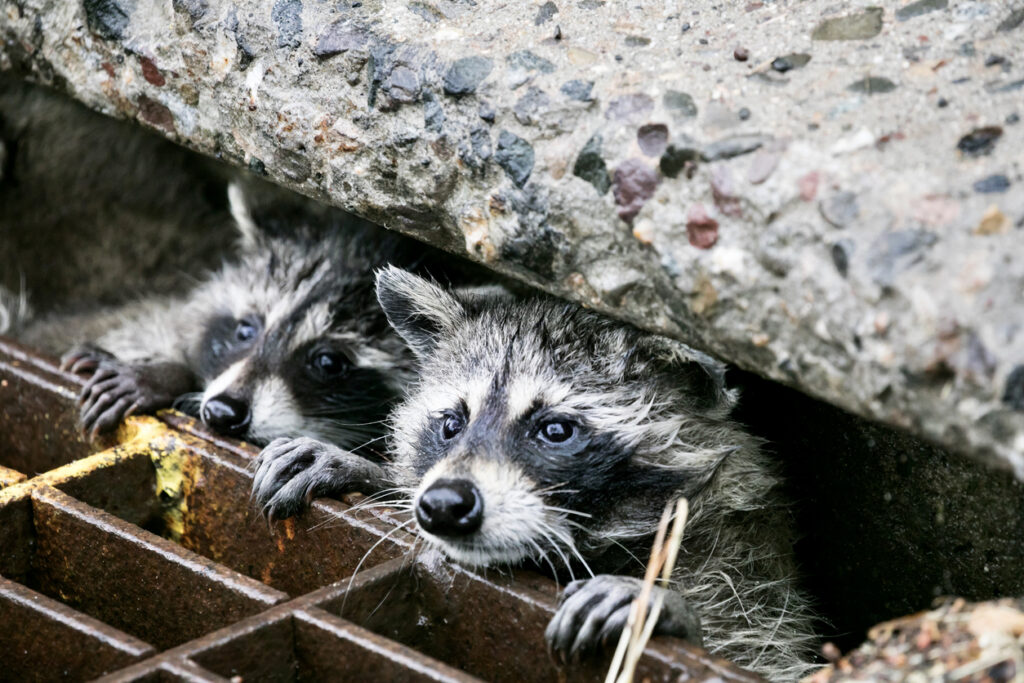
How do Wild Animals Survive Major Storms?
South Florida is no stranger to hurricanes or other weather emergencies. For the people who live here, a storm’s approach means boarding up windows, stocking supplies, and sometimes making plans to evacuate. But what about the wild animals that share this landscape with us, like the osprey nesting along the Intracoastal, the gopher tortoises burrowing beneath scrublands, the sea turtles nesting on beaches? They have no evacuation routes and no emergency kits. But what they do have is instinct and adaptation.
Nature’s Early Storm Warning System
Animals often sense an approaching hurricane long before the first raindrops fall. Changes in barometric pressure and wind patterns trigger instinctive responses across many species.
Birds are among the most sensitive, with songbirds and raptors departing coastal areas days in advance. Marine animals like sharks, dolphins, and manatees move into deeper water, while sea turtles navigate away from the surge zone. Land mammals seek dense cover like thickets or hollow logs, and burrowing species like gopher tortoises may actually ride out a storm safely underground.
The animals we worry about most are those that can’t prepare themselves: orphaned young, injured wildlife already in our care, and species with limited mobility. In the days before an anticipated storm, our team works urgently to ensure every animal in our care has been evacuated, relocated, or otherwise protected before the storm arrives.
Riding Out the Storm
Once a hurricane makes landfall, wild animals are at the mercy of conditions no amount of instinct can fully overcome.
Storm surge is often the deadliest force – inundating nesting areas, flooding burrows, and destroying ground cover in hours. Wind exhausts and injures large birds like herons and owls thrown from their roosts. Flooding sweeps reptiles and small mammals into unfamiliar terrain with no clear path home.
In the days leading up to a hurricane, all animals in our care are evacuated from our property. Depending on the species and situation, they may be transferred to partner organizations, moved to designated homes with staff or volunteers, or other arrangements may be made. Intake operations also cease during this time. Because multiple wildlife centers along the same coast can be impacted simultaneously, coordination across the region is critical.
Phone service is often one of the last utilities to be restored after a major storm, and we may be without power for weeks. During that period, our ability to receive calls or respond to requests for assistance may be severely limited. If our facilities sustain significant damage, our capacity to provide wildlife care and support may remain constrained until recovery efforts are well underway.
Recovery also depends on critical municipal services. We rely on the City of Fort Lauderdale to remove fallen trees, restore power lines, and clear drainage systems to alleviate flooding. Until those services are completed, access to and operation of our facility may remain significantly impacted.
Once the Storm is Over the Real Work Begins
The aftermath is when our mission shifts into high gear and when your support matters most.
As communications and infrastructure are restored in the days following a storm, calls begin flooding in: a pelican injured in a parking lot, a baby squirrel fallen from a destroyed nest, a hawk that struck a window while disoriented. After a major hurricane, these calls arrive in the hundreds. Young animals separated from parents face starvation within days if not found.
Even animals that survive physically face a changed landscape. The vegetation they rely on for food is destroyed, small prey is scattered, and native trees that many species depend on can take years to recover. Wading birds lose access to fish. Raptors lose hunting perches. Gopher tortoises emerge from flooded burrows into barren terrain.
With the help of caring residents, animals in need come into our hospital by the hundreds. Our team works extended hours treating injuries from broken wings and lacerations to near-drowning. Fortunately, many animals recover and are released.
How Your Support Makes the Difference
Hurricanes don’t follow a budget. In the weeks after a major storm, our costs spike dramatically with the need for more medical supplies, more formula for orphaned animals, more staff hours, more fuel. Recovery takes time; power may be out for weeks, and our ability to respond is directly tied to infrastructure being restored. When you support South Florida Wildlife Center, you’re not just helping animals on a regular day. You’re building the capacity that lets us respond when a storm makes landfall and the hard work of recovery begins.
South Florida’s wildlife has weathered storms for thousands of years. They’re resilient and remarkable…but they need a little more help than they used to. We’re honored to provide it, and grateful you make it possible.
If you find injured or orphaned wildlife after a storm, please call our helpline before handling any animal.